


There is a question that does not get asked nearly enough in Jamaica: what does it mean to be educated if you cannot access the tools that make education possible?
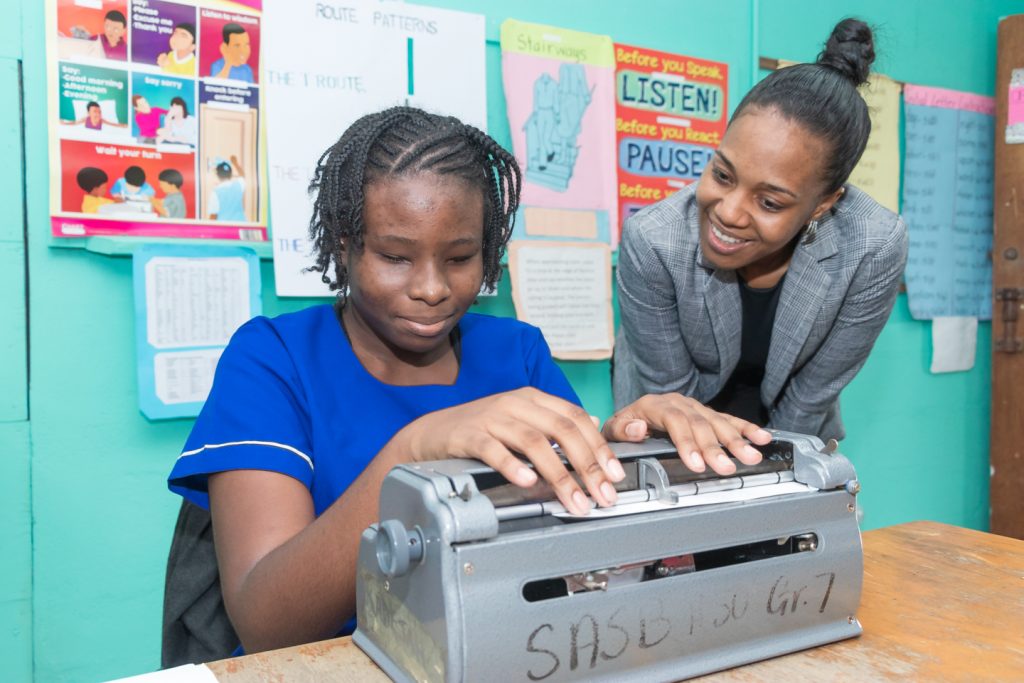
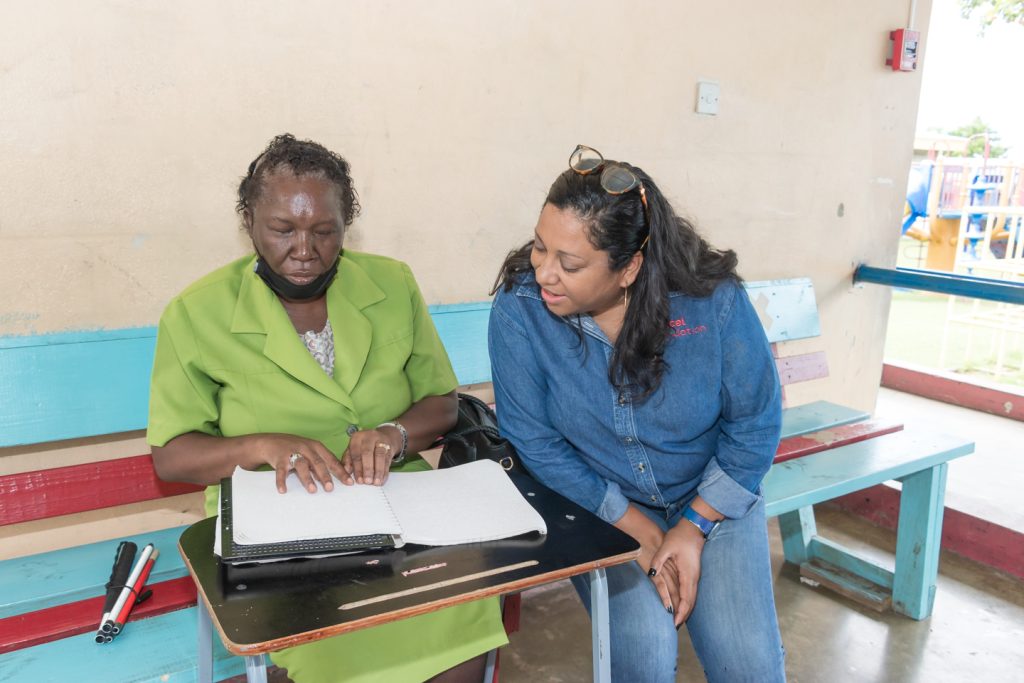
For the students of the Salvation Army School for the Blind, the only institution of its kind in Jamaica, that question has been painfully real for far too long. These are bright, capable, determined young people whose ability to learn, to read, and to write depends entirely on one piece of equipment: the Braille machine. And for years, the majority of the machines in their classrooms simply did not work.
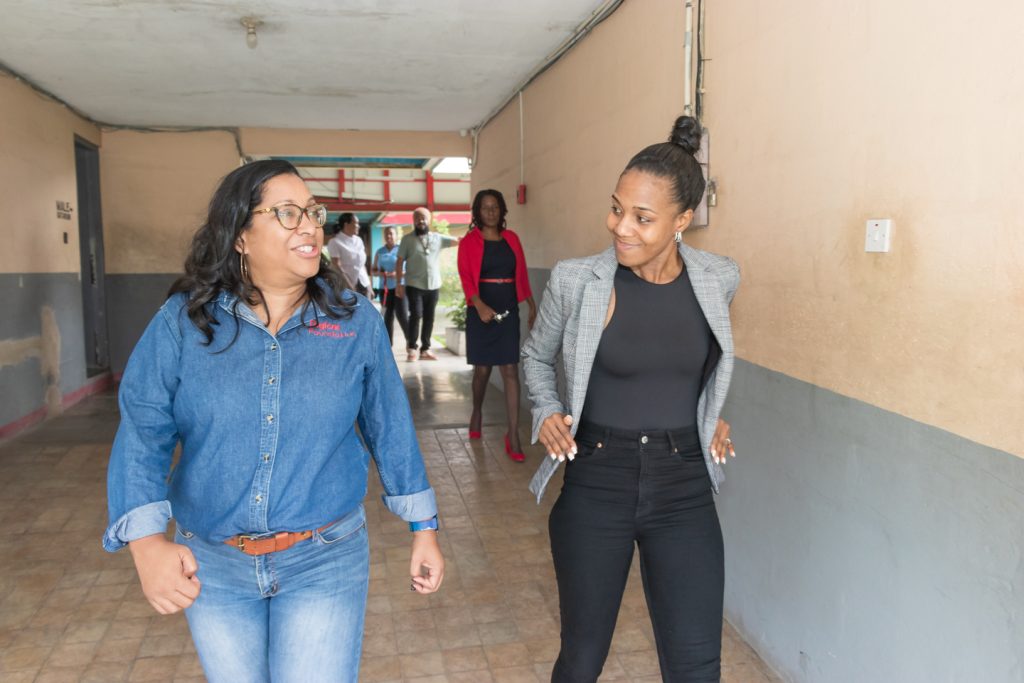
When the Open Door Jamaica Foundation and the Digicel Foundation encountered this reality, they did not look away. They decided to do something about it.
The Reality They Found
The Salvation Army School for the Blind is home to approximately 130 enrolled students. When the school’s principal, Mr. Iyeke Erharuyi, shared the state of the institution’s resources, the picture was striking. Of all the Braille machines in the school, fewer than 26 were operational — meaning that fewer than 20% of the legacy machines were functional. In a classroom where every student relies on Braille to access their education, this is not an inconvenience. It is a crisis.
To understand why, it helps to understand what Braille literacy actually means. For a sighted student, learning to read and write involves pencils, textbooks, and printed materials that are relatively easy to produce and replace. For a blind student, literacy is entirely dependent on Braille, a tactile system of raised dots that represents letters, numbers, and symbols. Braille machines are the equivalent of pens and paper for these students. Without them, there is no writing. Without writing, there is no full education. And without education, there is no equal opportunity.
These machines are also not simple to maintain. They are precision instruments, costly to purchase, and require specialist knowledge to service. When they break down, as older machines inevitably do, they are rarely replaced quickly, and the students are the ones who bear the cost of that gap.
Jamaica’s Disability Landscape
This story does not exist in isolation. It is part of a much larger reality that Jamaica must confront.
Approximately 420,000 Jamaicans live with a disability – roughly 15% of the total population. Of that number, an estimated 92,000 are children aged five and under. These are children who, without early intervention and proper access to educational tools and resources, may never get the opportunity to pursue further education. Not because of any limitation in their ability or their potential, but because the systems around them were not designed with them in mind.
The Braille machine crisis at the Salvation Army School for the Blind is one example of what that gap looks like in practice. It is a window into what happens when institutions that serve persons with disabilities are under-resourced, under-supported, and overlooked by the broader society.
Follow the Trail, Invest in Braille
Determined to change that, the Open Door Jamaica Foundation and the Digicel Foundation launched the ‘Follow the Trail, Invest in Braille’ campaign – a targeted, community-wide effort to source, fund, and deliver Braille machines to the school. The original target was 50 machines. An ambitious goal, but one that both organisations believed was achievable if corporate Jamaica and individual donors were willing to step up.
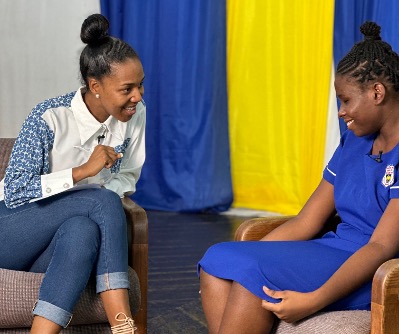
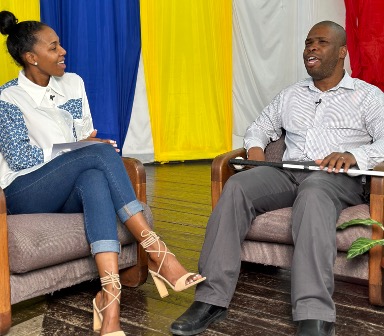
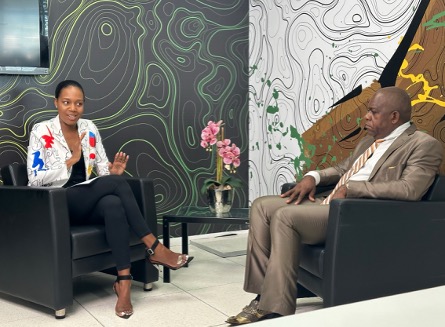
They did not just step up. They went further.
Corporate Jamaica rallied behind the campaign in remarkable fashion, with a long and impressive list of companies choosing to invest in the literacy of blind students. Individual donors also played a meaningful and moving role- ordinary Jamaicans who may not have had the resources of a large corporation, but who gave what they could because they understood that this mattered. Every contribution, regardless of size, was part of something larger.
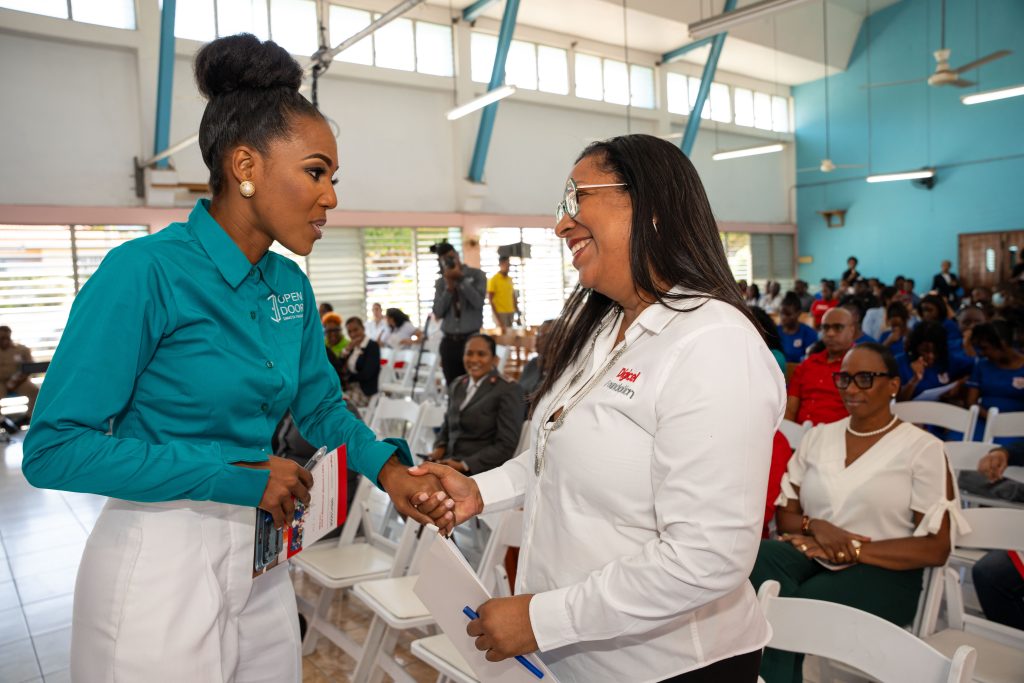
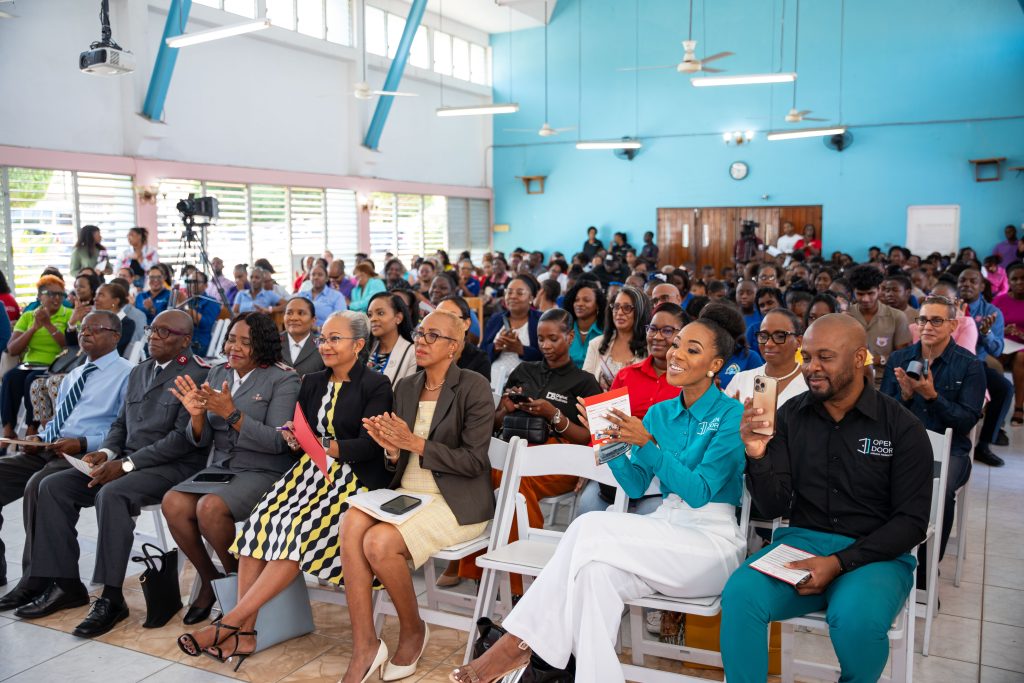
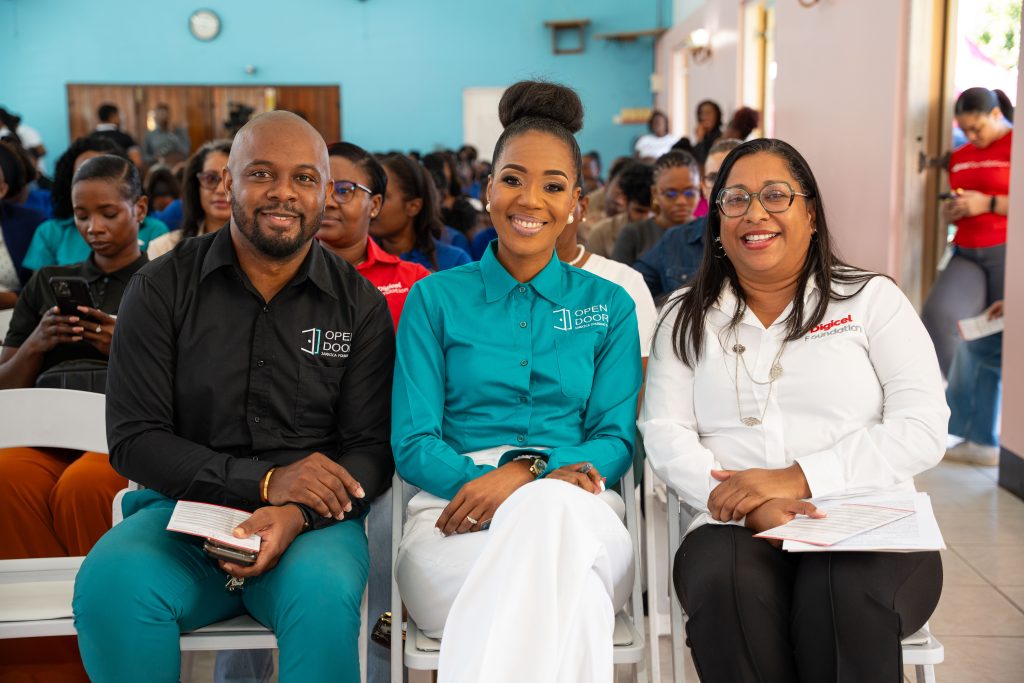
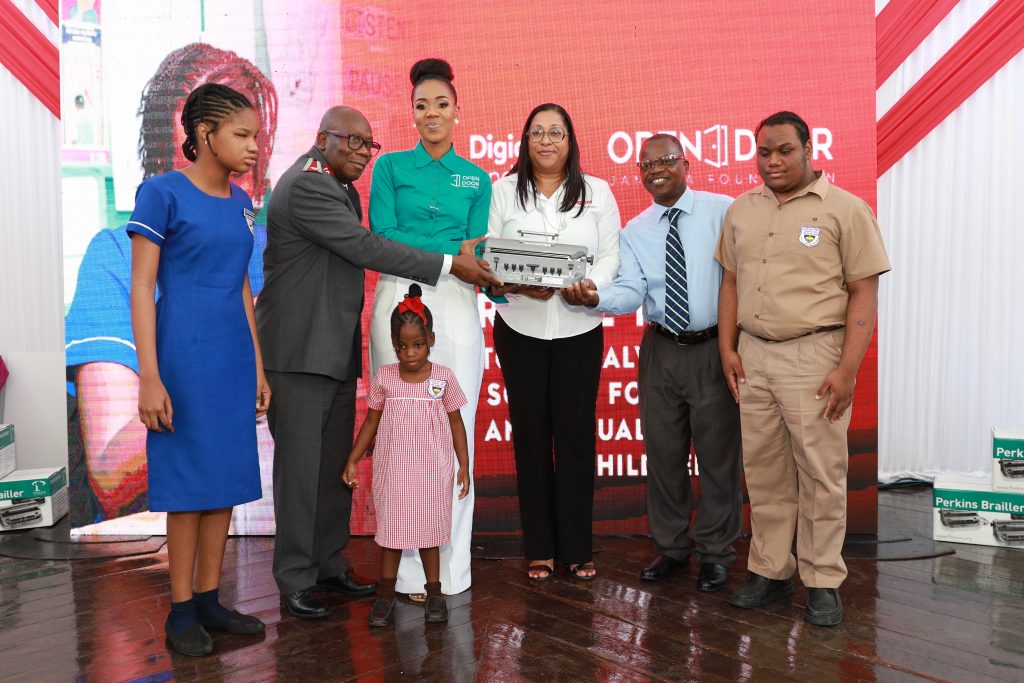
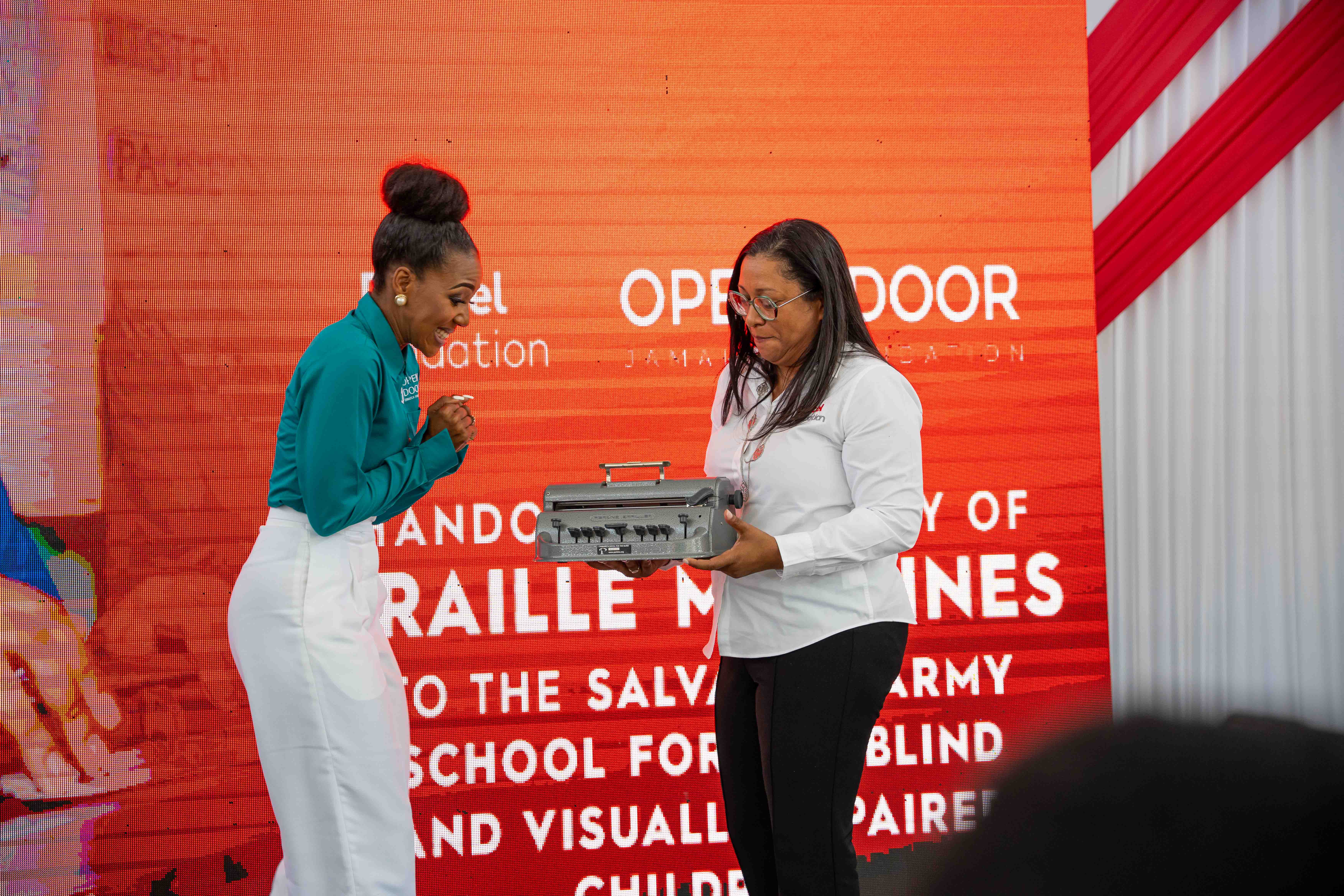
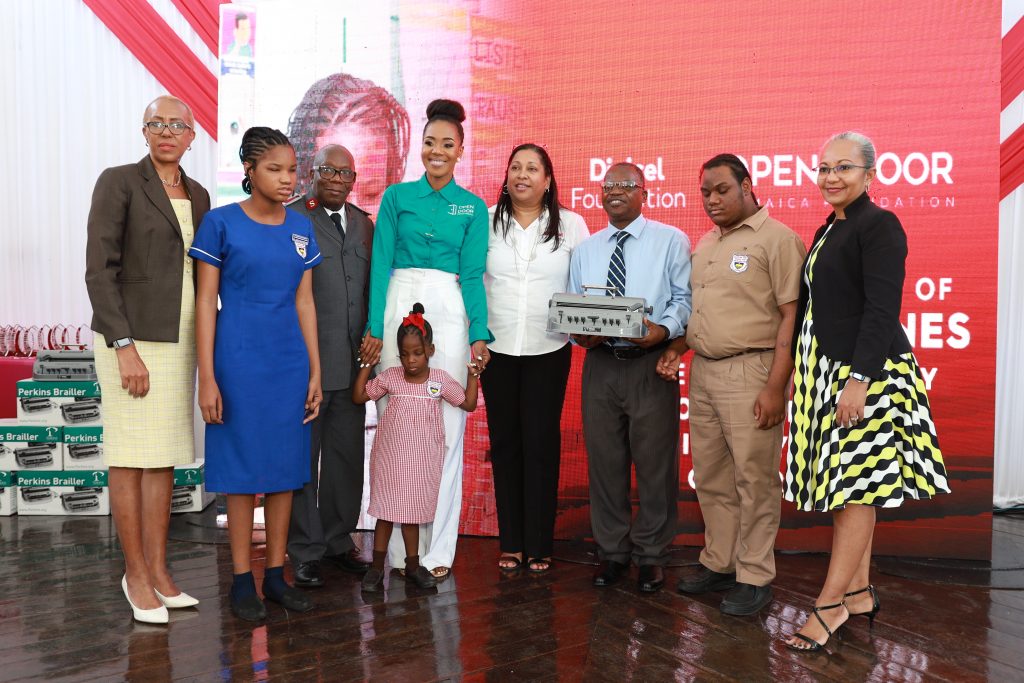
The result surpassed every expectation. A total of 107 Braille machines were delivered to the Salvation Army School for the Blind more than double the original target of 50. Alongside the machines, two volume-printing Braille embossers were also delivered. These high-capacity devices are capable of producing large quantities of Braille materials – textbooks, worksheets, reading resources at a scale that a standard Braille machine cannot match. For a school with 130 students and limited resources, the embossers represent a transformational upgrade in the institution’s ability to produce learning materials for its students.
And the Digicel Foundation went one step further, arranging for ongoing maintenance of the machines, ensuring that what was delivered does not simply sit and age, but continues to serve students for years to come.
What This Means
107 machines. Two embossers. One school. 130 students.
Those numbers represent something that is easy to lose in the headline: individual children who will now sit at a working machine, place their fingers on the keys, and write. Children who will read. Children who will learn at the same pace as every other child in every other classroom in this country.
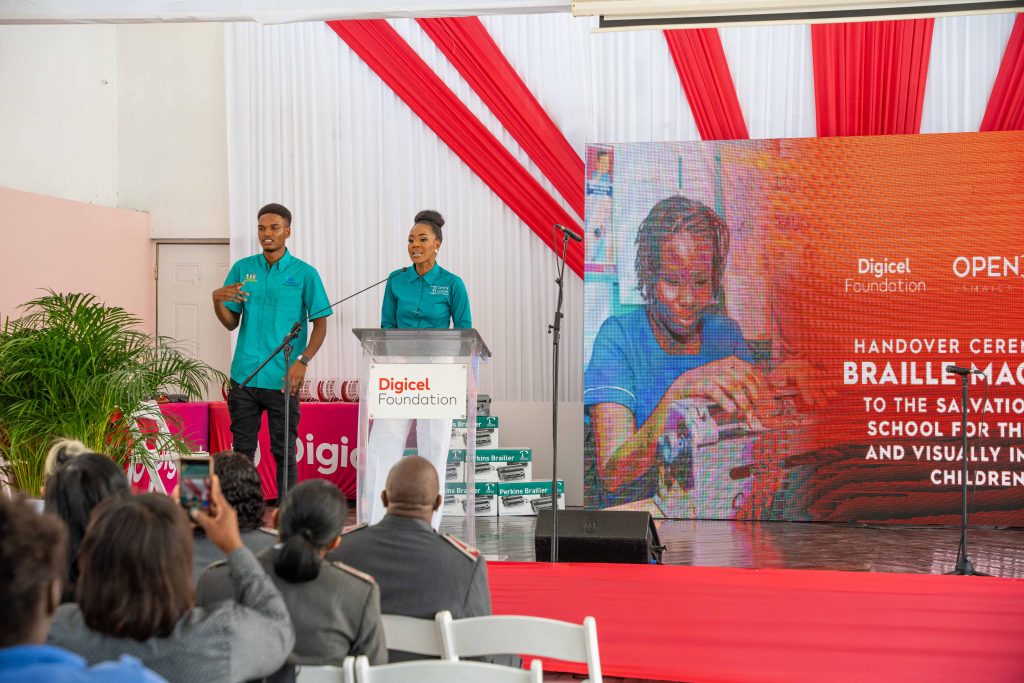
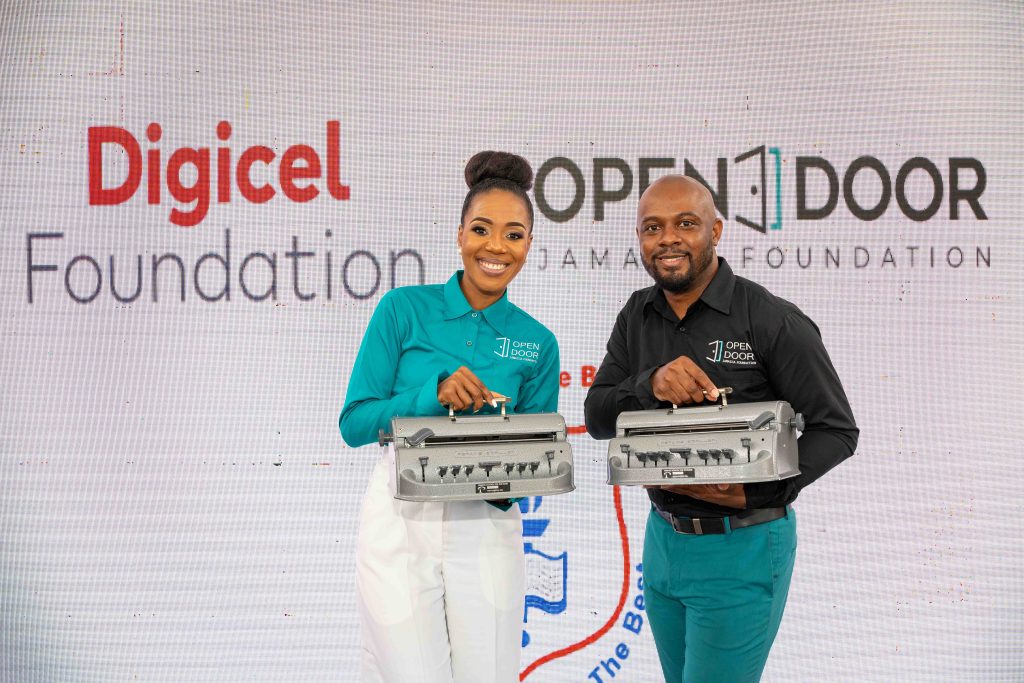
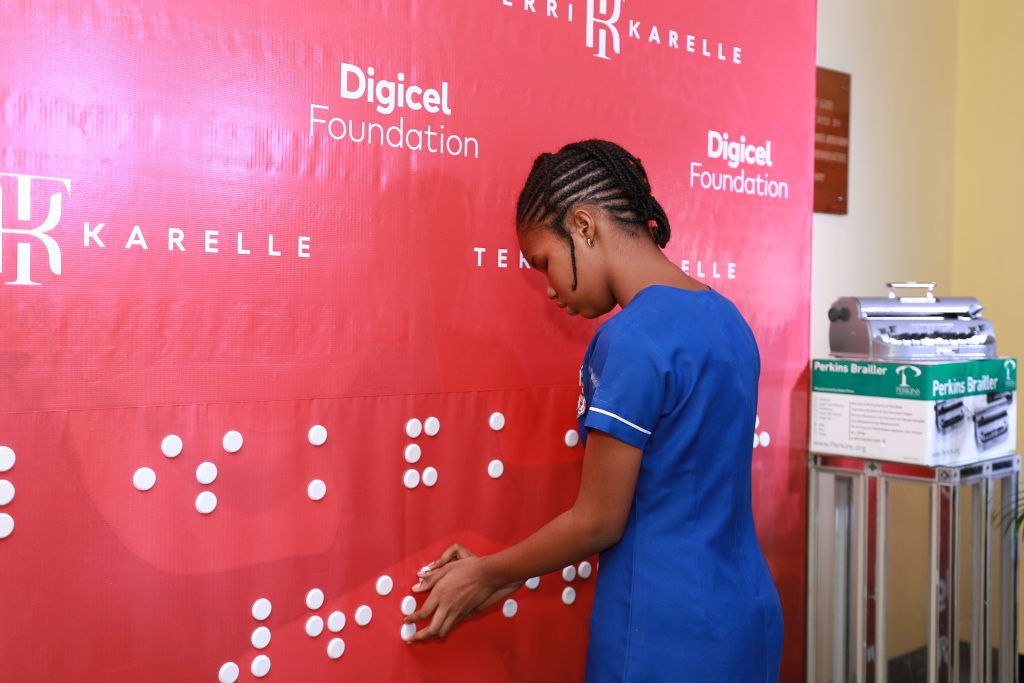
For the Open Door Jamaica Foundation, this is what the Accessibility pillar of its work looks like in practice. It is not enough to celebrate the potential of persons with disabilities. We have to build the infrastructure that allows that potential to be realised. Braille machines are not a luxury for blind students. They are a right. And when communities come together – foundations, corporations, and individuals alike to honour that right, the results speak for themselves.
To every partner, every company, and every individual who contributed to this campaign: Jamaica’s blind students are reading because of you. That is no small thing. That is everything.
The Open Door Jamaica Foundation works across five pillars — Skills Development, Healthcare, Accessibility, Recreation, and Education — to improve the lives of children and young adults with physical challenges in Jamaica. To learn more or to support our work, visit www.opendoorjamaicafoundation.org.